Enter Something Here

How TMS Therapy in McLean Works

Are you tired of struggling with depression and medications? At Brain Bloom Neurotherapy Center, we’re here to get you back on track without the side effects associated with medication. Learn how TMS Therapy in McLean works, then call our office at (703) 712-7539 or schedule online for a free consultation.

What to Expect

Before Treatment
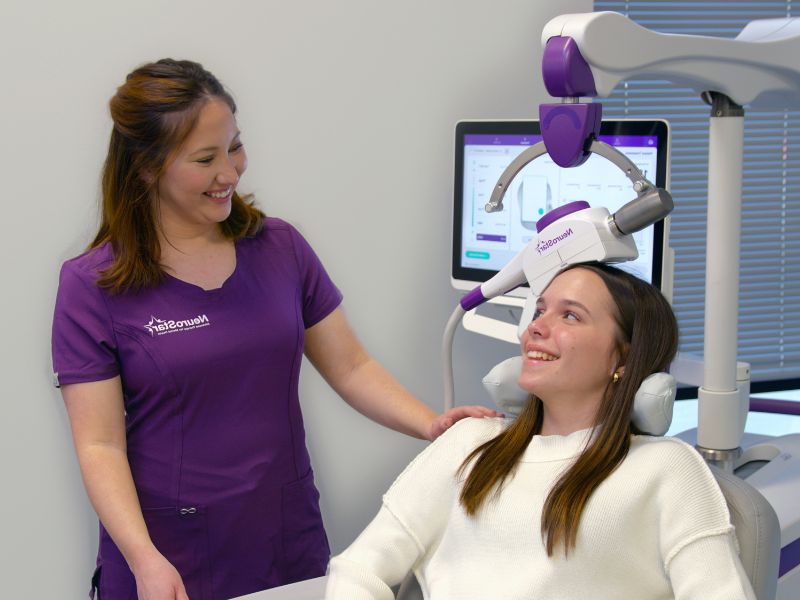
At your TMS session, you’ll be comfortably reclined in a treatment chair, with a small, curved magnetic coil placed lightly on your head.
During Treatment
At our McLean clinic, TMS therapy works by administering focused magnetic stimulation directly to specific brain areas. You will hear a clicking sound and feel a tapping sensation on your head.
After Treatment
Each session typically lasts between 19 and 37 minutes, based on your doctor’s recommendation. You can resume regular activities immediately after treatment.
In-office sessions with TMS Therapy usually occur five days a week for approximately six to seven weeks.*

How Does It Work?

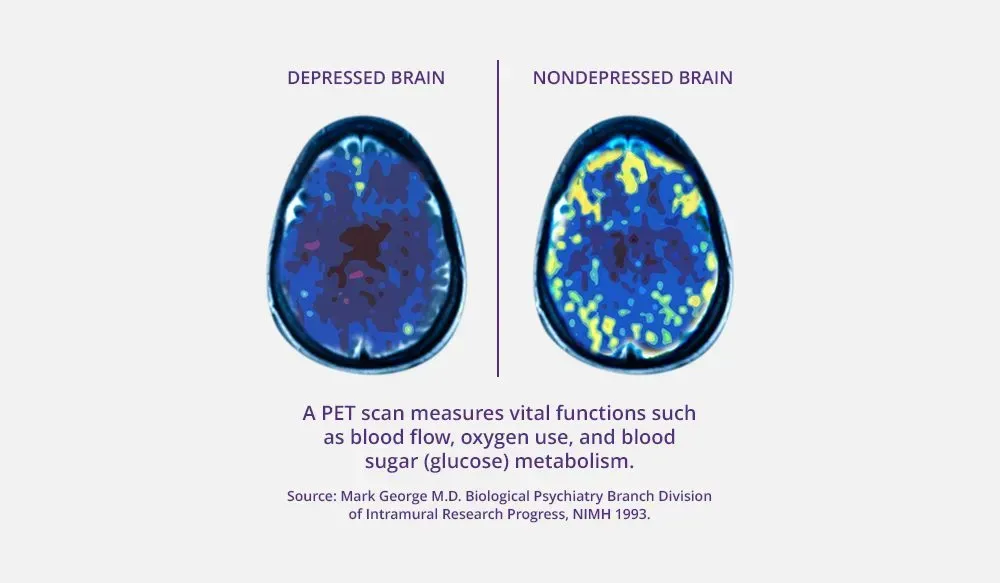
Administered at our McLean clinic, Transcranial Magnetic Stimulation (TMS) works by delivering magnetic pulses to specific areas of the brain. These pulses induce small electrical currents, which can modulate neural activity in targeted regions associated with mood regulation, pain perception, and cognition. By stimulating or inhibiting neural circuits, TMS can help restore the balance of brain activity, making it beneficial for conditions like depression, anxiety, and chronic pain.

How Does It Work?

TMS Therapy Patient Journey Video

Testimonials

FDA-Cleared TMS Therapy for Adults and Adolescents

TMS is an FDA-cleared therapy for adjunct treatment of major depressive disorder (MDD) in adolescents aged 15-21. TMS now offers a working treatment alternative for younger McLean patients grappling with depression, especially those who haven’t found success with traditional care methods.

Benefits of TMS

There are many benefits to pursuing TMS Therapy at our office in McLean. The biggest advantages include the following.

Safe & FDA-Cleared

TMS is FDA-cleared and recognized as a safe non-invasive therapy.

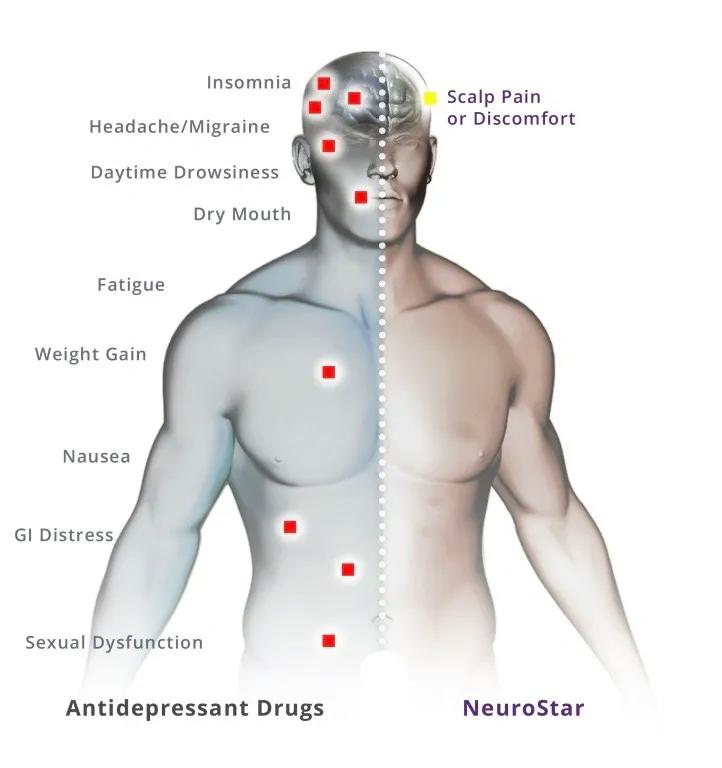
No Systemic Side Effects

TMS has a lack of systemic side effects and works by providing a safe and well-tolerated treatment option for mental health conditions in McLean patients.

No Drugs Involved

TMS can serve as a standalone therapy or complement your current medication regimen.

Zero Downtime

This treatment offers zero downtime, allowing individuals to resume their daily activities immediately after sessions.

Get In Touch With Our McLean Team About to Learn How TMS Works

It takes the right team to battle depression. TMS therapy is not one-size-fits-all therapy, but it could be the right option for you. Schedule a consultation with Brain Bloom Neurotherapy Center today to learn how TMS therapy in McLean works and take the next step in your mental health journey.

Frequently Asked Questions About Transcranial Magnetic Stimulation (TMS)

Most people describe TMS as a light sensation of tapping on the scalp. Some may experience muscle twitches in the face and jaw. If you ever feel the intensity too strong, you can always ask your TMS therapist to adjust it.

Many people begin to feel better within 2–3 weeks of starting treatment. Each person’s brain responds differently, so results vary.

No. Since TMS involves no anesthesia or recovery time, you can return to work, classes, or daily routines immediately as usual.

Yes, absolutely. You can engage in watching TV, listening to music, or even reading during the session.

Accelerated TMS is a method of completing the full course of Transcranial Magnetic Stimulation in a shorter period of time than the regular treatment.

Follow-up maintenance sessions may be recommended by your TMS therapy center to help sustain results. At Brain Bloom TMS therapy center, a dedicated care team will track your progress and personalize an aftercare plan just for you.

Common side effects include mild scalp discomfort and temporary headaches, which usually diminish after the first few sessions.

Depends on your individual factors. We advise you to consult your TMS therapist or any other medical professional to analyse your personal factors and avoid any risk.